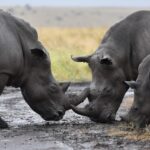
Dust can be significant in dry seasons on unsealed roads.
Is dust a problem during the dry season?
The dry season varies by country and region, so it should always be matched to the exact itinerary. Across much of East Africa, the main drier period generally falls in the middle of the year into early northern-hemisphere autumn, with a shorter dry spell in some areas early in the year.
For safari, drier conditions often mean less surface water, shorter or browner vegetation in some habitats, dustier roads and greater concentration of wildlife around reliable water. It does not mean rain is impossible.
The practical benefit of the dry season is predictability of access, not a guarantee of better wildlife every hour of every day. Some travellers prefer green-season colour, lower density of vehicles and birding even if showers are more likely.
Light and readiness matter more than carrying everything
Early and late light is often attractive, but useful photographs can be made at any time when you adapt to the conditions. Keep batteries charged, memory cards ready and essential equipment protected from dust or spray.
A flexible lens is often more useful than changing lenses repeatedly in a dusty vehicle. Pack around the subjects you genuinely expect to photograph.
What this means for your itinerary
Protect eyes and camera equipment, keep lenses covered and avoid changing lenses unnecessarily in a moving vehicle.
Tell the guide what kind of photographs you want
A bird photographer, a traveller using a phone and a professional carrying two camera bodies do not need the same positioning or amount of time at a sighting. Explain your priorities before the drive.
Good photography often comes from patience. When conditions allow, staying with one subject and waiting for behaviour can be more productive than moving quickly between sightings.
Before you book or travel
- Share your camera setup and whether photography is a major purpose of the trip.
- Confirm any drone, filming or professional-equipment rules before travelling.
- Carry spare batteries, memory cards and simple protection from dust, rain or spray.
- Tell the guide when you prefer patience at one sighting rather than frequent stops.
Frequently Asked Questions
Do I need professional camera equipment?
No. Phones and compact cameras can make excellent travel photographs. Serious wildlife photographers may value longer lenses, faster autofocus and extra batteries, but the best equipment is the gear you can use confidently.
Should I use flash around wildlife?
Avoid flash unless the guide and relevant rules clearly allow it. Flash can disturb animals and is prohibited or inappropriate in many sensitive situations.
How should I protect camera equipment?
Carry a simple cover for dust, rain or spray, keep spare batteries and cards accessible, and avoid unnecessary lens changes in dusty conditions.
Can my guide help with positioning?
Usually yes. A good guide can consider light, background and the animal's likely movement, provided the position is safe, legal and does not disturb wildlife.
Turn the answer into a workable itinerary
If photography is a major purpose of the journey, say so at the start of planning. ESA Safaris can help build a route that values light, time and patient observation rather than treating every day as a race.